
by Zuhair Faruki

Editor’s Note: The following article was written by Zuhair Faruki, an Ace-Level Participant at First Tee – Contra Costa. Below, we learn more about the important role coaches play in the development of youth, and how an athlete’s success can be greatly impacted by the support they receive from caring coaches, and mentors.
Part 1: The History of Coaching: From Commanders to Mentors
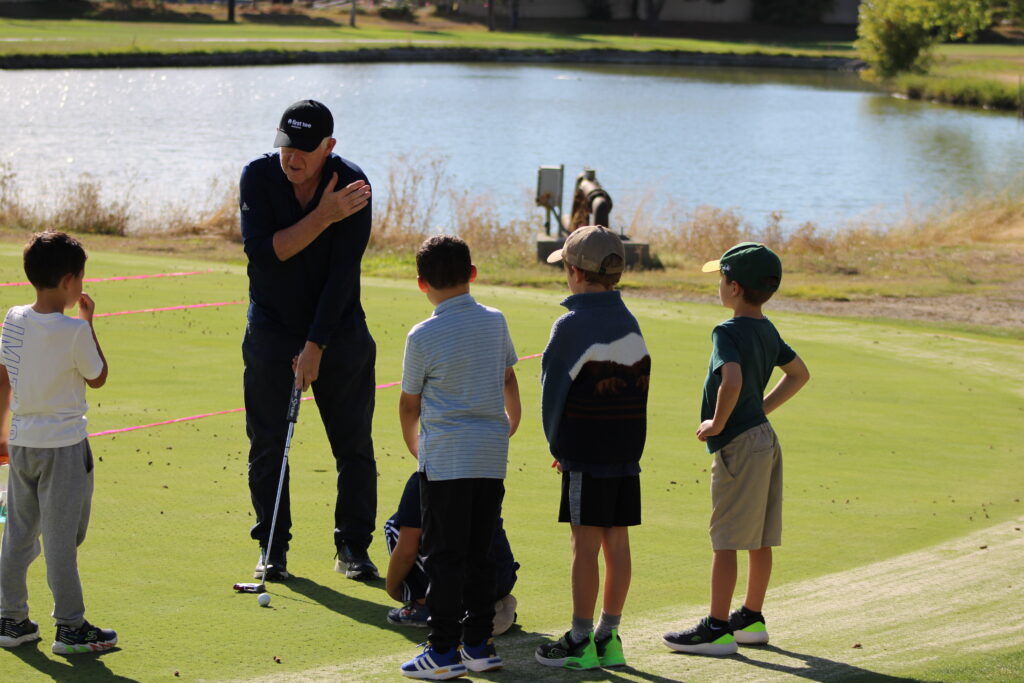
Youth coaching has not always looked the way it does today. In ancient civilizations, training and mentorship came from teachers, military leaders, and athletic instructors, but organized sports coaching began developing in Europe during the Middle Ages. Skilled professionals trained nobles in activities like fencing, horseback riding, and falconry. Coaching at the time focused heavily on discipline, repetition, and performance. With the rise of organized sports in the 1800s and early 1900s, coaching evolved into a highly authoritative style known as “old-school coaching.” Coaches were expected to lead with toughness, demand obedience, and push athletes toward results above all else. The philosophy was simple: brute force, strict discipline, and mental toughness created successful athletes.
At the time, this approach made sense to many people. Society itself was more rigid, and sports were heavily influenced by military culture. Coaches often believed that yelling, criticism, and intense pressure would toughen kids up and prepare them for competition. But over time, researchers and educators began noticing something important: athletes are not machines. Young players perform best not only when they are physically trained, but when they also feel confident, supported, and motivated.
Today, coaching is about far more than teaching technique. Great youth coaches act as mentors, role models, teachers, and supporters. They help young athletes develop confidence, resilience, teamwork, and a lifelong love for the game. The evolution of coaching shows just how much sports have changed: the best coaches are no longer simply commanders on the sidelines — they are mentors helping young athletes become their best selves both on and off the course.
Part 2: Coaching Styles: Destructive vs. Constructive Coaching
Not all coaching styles create the same experience for young athletes. Some help kids grow, build confidence, and enjoy the game. Others can leave players discouraged, anxious, or afraid to fail. Understanding the difference between destructive and constructive coaching is one of the most important lessons for any youth mentor.
What Is “Old-School” Coaching?
For decades, many sports teams operated under what is often called “old-school coaching.” This style emphasized strict discipline, toughness, and authority. Coaches were expected to control the team through yelling, punishment, and pressure. Mistakes were often met with criticism rather than encouragement.
Old-school coaching was built on the belief that athletes improve when they are pushed hard emotionally and physically. While this approach sometimes produced short-term results, it often ignored the emotional and psychological needs of young athletes.
Kids coached this way may become afraid of making mistakes. Instead of learning freely, they begin playing cautiously to avoid embarrassment or criticism.
What Is Constructive Coaching?
Constructive coaching takes a very different approach. Rather than focusing only on results, constructive coaches prioritize growth, effort, learning, and confidence.
A constructive coach understands that mistakes are part of improvement. They create environments where athletes feel safe trying new things, asking questions, and learning from failure.
This style does not mean coaches avoid discipline or accountability. Instead, constructive coaching combines high expectations with support, communication, and encouragement.
Constructive coaches often:
- Focus on effort and improvement
- Adapt to different learning styles
- Encourage teamwork and friendship
- Use mistakes as teaching opportunities
- Build relationships with athletes
- Create fun and engaging practices
At organizations like First Tee, this philosophy plays a major role in helping young athletes grow both as golfers and as people.
Modern coaching research continues to show that athletes perform best when they feel respected, supported, and motivated from within rather than pressured from the outside.
Part 3: How Coaching Impacts Kids

A coach can shape much more than an athlete’s swing, shot, or score. The environment a coach creates can directly affect a child’s confidence, motivation, mental health, and long-term relationship with sports.
The Effects of Destructive Coaching
When coaching becomes overly negative or focused entirely on winning, young athletes can begin to lose confidence in themselves. Constant criticism, yelling, or pressure may cause kids to associate sports with stress instead of enjoyment.
Some athletes respond by becoming afraid to make mistakes. They may stop taking risks, avoid trying new skills, or become overly focused on pleasing others instead of improving themselves.
In some cases, destructive coaching can lead to:
- Anxiety during competition
- Fear of failure
- Loss of confidence
- Burnout
- Decreased enjoyment of sports
- Athletes quitting altogether
For children especially, confidence is fragile. A coach’s words and reactions can have a lasting impact.
The Effects of Constructive Coaching
Positive coaching environments create the opposite effect. When athletes feel encouraged and supported, they become more willing to learn, experiment, and grow.
Constructive coaching helps athletes develop:
- Intrinsic motivation
- Self-confidence
- Resilience
- Independence
- Stronger teamwork skills
- A growth mindset
Kids are more likely to stay involved in sports when they:
- Have fun
- Feel included
- Build friendships
- Believe their coach cares about them
These experiences matter far beyond athletics. The confidence children build through supportive coaching often carries into school, relationships, and everyday life.
At its best, coaching teaches young athletes how to handle challenges, setbacks, and improvement in healthy ways. That is why coaching is never just about the scoreboard.
Part 4: What Youth Coaches Can Learn Moving Forward
Every coach wants to help their athletes succeed. But success in youth sports goes far beyond wins and losses. The most effective coaches understand that their influence can shape how children see themselves, handle adversity, and approach growth for years to come.
So what can coaches take away from modern coaching research?
1. Prioritize Growth Over Results
Winning is exciting, but youth sports should focus primarily on development. When coaches emphasize effort, learning, and improvement, athletes become more motivated to keep growing.
A child who learns to love improvement will continue developing long after the season ends.
2. Create a Safe Environment for Mistakes
Mistakes are essential to learning. Young athletes should feel comfortable trying new things without fear of embarrassment.
Coaches who respond to mistakes with patience and teaching help athletes become more confident and resilient.
3. Recognize That Every Athlete Is Different
Some players learn visually. Others learn through repetition, encouragement, or hands-on practice. Great coaches adapt their communication styles to meet athletes where they are.
There is no “one-size-fits-all” approach to mentoring kids.
4. Make Sports Fun
Fun is not a distraction from development, it is part of development.
When practices include laughter, teamwork, and positive energy, athletes are more likely to stay engaged and connected to the sport.
5. Continue Learning as a Coach
The best coaches are always improving themselves too. Modern coaching requires emotional intelligence, adaptability, and self-awareness. Coaches who stay open-minded and willing to learn create better experiences for everyone around them.
At the end of the day, youth coaching is about more than building athletes. It is about building people. The lessons children learn through golf: confidence, resilience, teamwork, and self-belief can stay with them for the rest of their lives.